
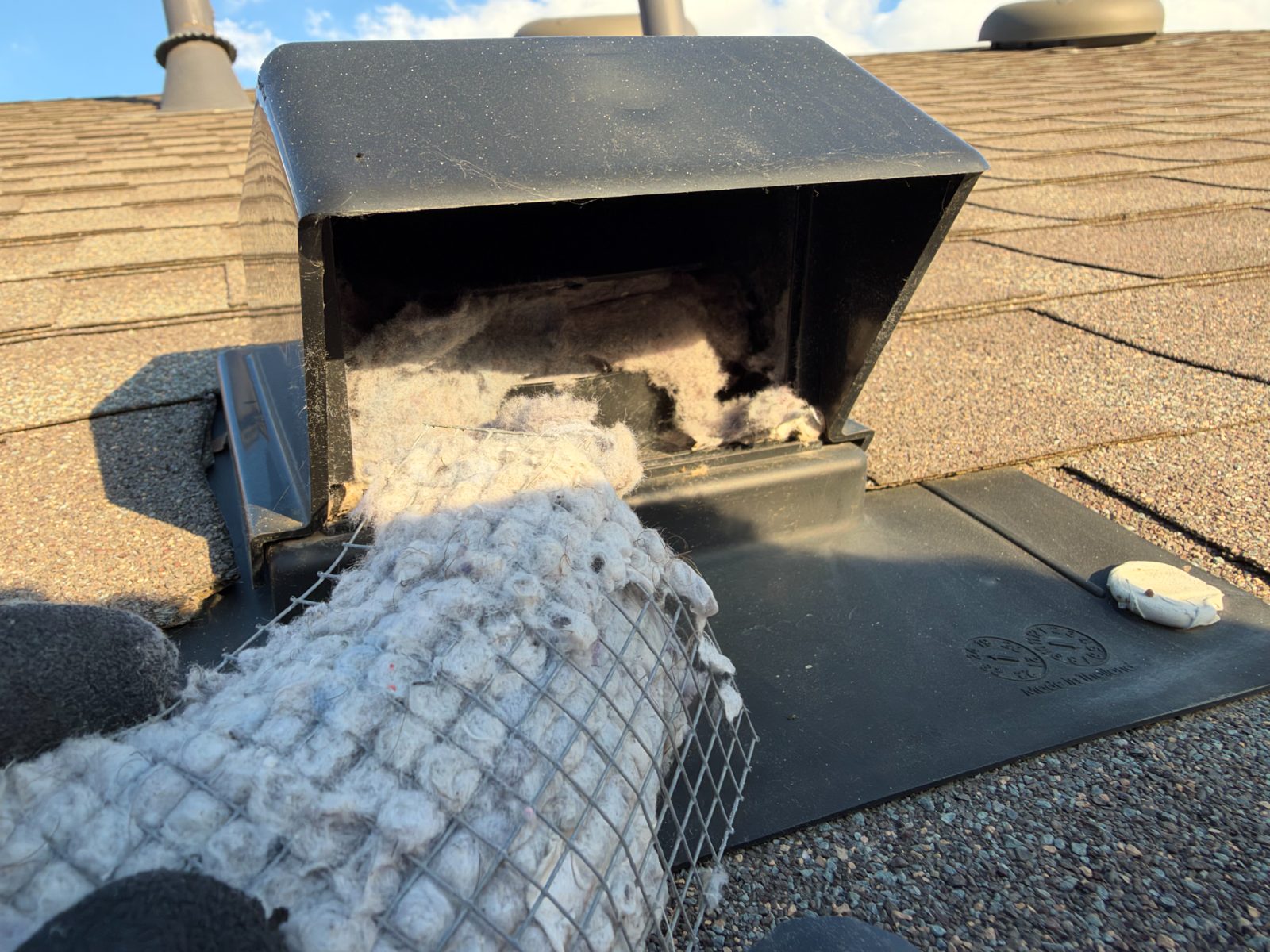
As appliance and HVAC technicians, we spend a lot of time behind dryers. And one of the most common things we find is a dryer vent packed with lint: gray, fluffy and bone-dry. Most homeowners have no idea it's there, because you can't see it from the laundry room.
That hidden lint is more than a nuisance. It's fuel. Every time your dryer runs, hot air pushes through a vent that's getting narrower and narrower, and all it takes is enough heat in the wrong spot for that lint to catch fire.
We'd rather you hear this from us during a routine cleaning than from a firefighter. Here's what every homeowner should know.
The Numbers Are Sobering
Dryer fires are not rare. According to the National Fire Protection Association (NFPA), U.S. fire departments respond to an estimated 15,970 home fires per year involving clothes dryers or washing machines, and dryers are involved in 92% of them. Each year, these fires cause an average of:
- 13 deaths
- 440 injuries
- $238 million in direct property damage
And the leading cause? Failure to clean. NFPA found that not cleaning the dryer and vent was behind 31% of these fires, and that dust, fiber and lint were among the most common materials to catch fire first.
The U.S. Fire Administration also notes that dryer fires happen more often in the winter months, peaking in January. More laundry, heavier fabrics and longer drying times all add up, which makes late fall the perfect time to get your vent cleaned.
Source: NFPA, "Home Fires Involving Clothes Dryers and Washing Machines" (2010-2014 annual averages); U.S. Fire Administration.
Why Cleaning the Lint Screen Isn't Enough
Most people clean the lint screen after every load, and that's great. But the screen only catches part of the lint. The rest travels into the dryer cabinet and down the vent duct that runs through your wall, attic or crawl space to the outside.
Over months and years, that lint builds up along the walls of the duct, especially in long runs, bends and flexible foil ducts. Birds or small animals can also nest in the outside vent. As airflow shrinks, heat has nowhere to go, the dryer works harder and runs hotter, and the lint inside becomes a fire hazard.
Warning Signs Your Dryer Vent Needs Cleaning
Call us, or at least check your vent, if you notice any of these:
- Clothes take longer than one cycle to dry, or come out damp and hot
- The dryer or the laundry room feels unusually hot
- A burning smell when the dryer is running
- Lint around the outside vent flap, or the flap barely opens
- The outside of the dryer is hot to the touch
- It's been more than a year since the vent was cleaned, or you can't remember the last time
If you ever smell burning, stop the dryer immediately and don't use it again until it has been inspected.
How Often Should You Clean Your Dryer Vent?
The NFPA recommends cleaning lint out of the vent pipe at least once a year, or sooner if drying times start getting longer. We recommend more frequent cleaning if:
- You have a large family and run the dryer every day
- Your vent is long or has several bends
- Your dryer is on an inside wall or vents through the roof
- You have pets that shed
What You Can Do at Home
- Clean the lint screen before or after every load.
- Never run the dryer without the lint filter in place.
- Check the outside vent flap while the dryer is running. It should open and you should feel strong airflow.
- Replace plastic or thin foil ducts with rigid or semi-rigid metal duct.
- Don't leave the dryer running when you go to bed or leave the house.
When to Call a Professional
Cleaning the full length of the vent duct takes specialized brushes and tools, especially for long runs or vents that go through the attic or roof. During a professional dryer vent cleaning, our technicians:
- Clean the entire vent duct from the dryer to the outside
- Remove lint from inside the dryer cabinet and around the drum
- Check the outside vent flap and remove any blockages or nests
- Inspect the duct for crushed sections, loose connections and unsafe materials
- Check airflow and make sure your dryer is venting safely
It's a quick, affordable service that can lower drying times, reduce wear on your dryer and, most importantly, protect your home and family.
Frequently Asked Questions
Isn't cleaning the lint trap enough?
No. The lint screen catches only part of the lint. The rest builds up inside the dryer and the vent duct, where you can't see it, and that's where most of the danger is.
How do I know if my dryer vent is clogged?
The most common sign is clothes taking longer to dry. Other signs include a hot laundry room, a burning smell, or an outside vent flap that doesn't open when the dryer runs.
Can a clogged vent affect my energy bill?
Yes. When airflow is restricted, your dryer has to run longer to dry the same load, which uses more electricity or gas and puts extra wear on the machine.
Protect Your Home This Winter
Dryer fires are among the most preventable home fires. A clean vent means safer laundry, faster drying and a longer life for your dryer. If you can't remember the last time your dryer vent was cleaned, now is the time, before the busiest laundry season of the year.
Call SmartWay at (469) 607-4241 or schedule your dryer vent cleaning online today. Our technicians will make sure your dryer is venting safely, so your family can stay safe and warm all winter long.
Need a hand with this? Call (469) 607-4241 or Book Service. We are open 7 days, 7am to 7pm.